
Introduction
Polycystic Ovary Syndrome (PCOS) affects millions of women worldwide, making effective PCOS management tips essential for maintaining optimal health and quality of life. This complex hormonal disorder can significantly impact fertility, metabolism, and overall well-being. While medical treatment remains important, many women are discovering that natural approaches can complement traditional therapies and provide substantial symptom relief.
Understanding how to manage PCOS naturally empowers women to take control of their health journey. From dietary modifications to stress management techniques, the right combination of natural strategies can help regulate hormones, improve insulin sensitivity, and reduce uncomfortable symptoms that often accompany this condition.
Understanding PCOS: The Foundation of Effective Management
What Causes PCOS?
PCOS is a multifaceted endocrine disorder characterized by hormonal imbalances that affect ovarian function. The exact cause remains unclear, but several factors contribute to its development:
- Insulin resistance: Often the underlying driver of PCOS symptoms
- Genetic predisposition: Family history increases risk significantly
- Inflammation: Chronic low-grade inflammation worsens hormonal imbalances
- Environmental factors: Diet, stress, and lifestyle choices play crucial roles
Common PCOS Symptoms
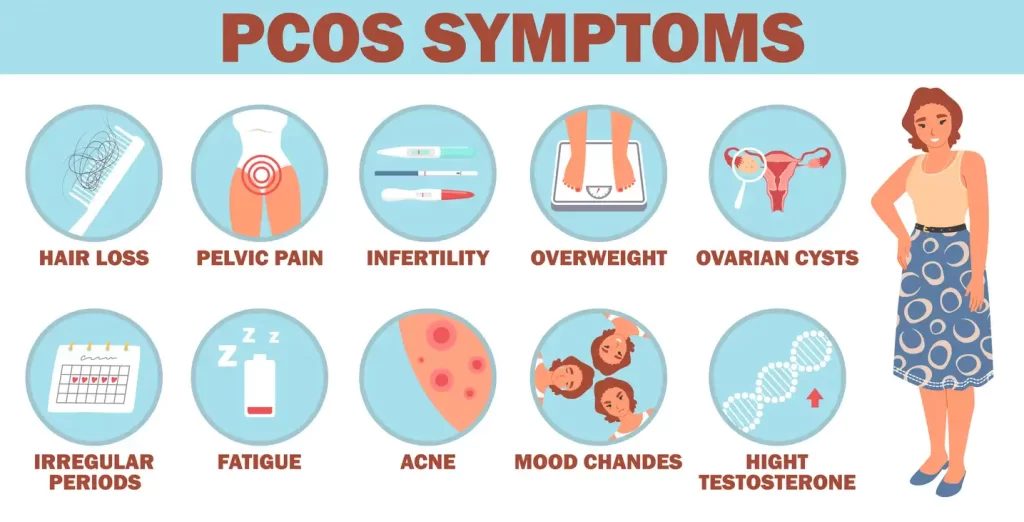
Recognizing symptoms early enables more effective management. Women with PCOS often experience:
- Irregular or absent menstrual periods
- Excess androgen levels causing hirsutism
- Weight gain or difficulty losing weight
- Insulin resistance and metabolic issues
- Acne and skin problems
- Hair thinning or male-pattern baldness
- Mood changes and mental health challenges
Dietary Strategies: Nutrition-Based PCOS Management Tips
The Anti-Inflammatory Approach
Diet plays a pivotal role in managing PCOS symptoms naturally. An anti-inflammatory eating pattern can significantly improve hormonal balance and reduce symptom severity:
Foods to Emphasize:
- Fatty fish rich in omega-3 fatty acids (salmon, sardines, mackerel)
- Leafy green vegetables and colorful produce
- Nuts and seeds, particularly walnuts and flaxseeds
- Whole grains with low glycemic impact
- Lean proteins from plant and animal sources
- Lean proteins from plant and animal sources
Foods to Limit:
- Processed foods high in added sugars
- Refined carbohydrates and white flour products
- Trans fats and excessive saturated fats
- High-sodium processed foods
- Sugary beverages and alcohol
Balancing Blood Sugar Levels
Since insulin resistance commonly accompanies PCOS, maintaining stable blood sugar levels becomes crucial for symptom management:
- Eat regular, balanced meals containing protein, healthy fats, and complex carbohydrates
- Choose low glycemic index foods that won’t spike blood sugar rapidly
- Practice portion control to prevent overwhelming your insulin response
- Consider intermittent fasting under healthcare provider guidance
- Stay hydrated with water throughout the day
Exercise and Physical Activity for PCOS Management
Strength Training Benefits
Regular exercise serves as one of the most effective natural PCOS management tips. Strength training offers particular benefits for women with PCOS:
- Improves insulin sensitivity more effectively than cardio alone
- Builds lean muscle mass which increases metabolic rate
- Reduces androgen levels naturally over time
- Enhances mood through endorphin release
- Supports weight management goals
Cardiovascular Exercise Recommendations
While strength training provides unique benefits, cardiovascular exercise remains important for overall health:
Moderate-intensity activities:
- Brisk walking for 30-45 minutes daily
- Swimming or water aerobics
- Cycling or stationary bike workouts
- Dancing or group fitness classes
High-intensity interval training (HIIT):
- Short bursts of intense exercise followed by recovery periods
- Improves insulin sensitivity efficiently
- Time-effective for busy schedules
- Can be adapted to various fitness levels
Stress Management and Mental Health Support
The Stress-Hormone Connection
Chronic stress significantly impacts PCOS symptoms by elevating cortisol levels, which can worsen insulin resistance and hormonal imbalances. Effective stress management becomes essential for comprehensive PCOS care.
Natural Stress Reduction Techniques
Mindfulness and Meditation:
- Daily meditation practice, even 10-15 minutes
- Deep breathing exercises during stressful moments
- Progressive muscle relaxation techniques
- Mindful eating practices
Sleep Optimization:
- Maintain consistent sleep schedule with 7-9 hours nightly
- Create relaxing bedtime routines
- Limit screen time before bed
- Ensure bedroom environment promotes quality sleep
Social Support and Professional Help:
- Join PCOS support groups or online communities
- Consider counseling for emotional support
- Communicate openly with family and friends
- Seek professional help for anxiety or depression
Lifestyle Modifications for Long-term Success
Creating Sustainable Habits
Successful PCOS management requires consistent lifestyle changes rather than temporary fixes:
- Start with small, manageable changes rather than overwhelming overhauls
- Track symptoms and progress to identify effective strategies
- Build supportive daily routines that promote hormonal balance
- Focus on progress over perfection to maintain motivation
- Celebrate small victories along your health journey
Environmental Considerations
Reducing exposure to endocrine-disrupting chemicals can support hormonal balance:
- Choose organic produce when possible, especially for the “dirty dozen”
- Use glass or stainless steel containers for food storage
- Select natural personal care and household cleaning products
- Filter drinking water to remove potential contaminants
Monitoring Progress and Adjusting Strategies
Working with Healthcare Providers
Regular monitoring ensures your natural management strategies remain effective and safe. Important markers to track include:
- Menstrual cycle regularity and symptoms
- Weight and body composition changes
- Blood sugar and insulin levels
- Hormone levels including androgens
- Cholesterol and cardiovascular health markers
When to Seek Additional Support
While natural approaches can significantly improve PCOS symptoms, some situations require medical intervention:
- Persistent irregular cycles despite lifestyle changes
- Difficulty achieving or maintaining weight loss goals
- Worsening metabolic parameters
- Mental health concerns requiring professional support
- Fertility challenges when planning pregnancy

Conclusion
Managing PCOS naturally requires a comprehensive approach that addresses diet, exercise, stress management, and lifestyle factors. These evidence-based PCOS management tips can significantly improve symptoms and overall quality of life when implemented consistently and under appropriate medical guidance.
Remember that every woman’s experience with PCOS is unique, and what works best may vary from person to person. The key to success lies in finding sustainable strategies that fit your lifestyle while working closely with healthcare providers to monitor progress and adjust approaches as needed.
By combining natural management techniques with appropriate medical care, women with PCOS can achieve better hormonal balance, improved symptoms, and enhanced overall well-being. Start with small, manageable changes and gradually build upon your successes to create lasting positive health outcomes.
Connect with Our PCOS Specialists
At Reeva Women’s Hospital, our experienced team of gynecologists and endocrinologists specializes in comprehensive PCOS care. We understand that managing PCOS requires a personalized approach that combines medical expertise with natural management strategies tailored to your unique needs.
Our PCOS management services include detailed hormonal assessments, personalized nutrition counseling, lifestyle modification support, and ongoing monitoring to ensure optimal outcomes. We’re committed to empowering women with the knowledge and tools necessary for successful long-term PCOS management.
Ready to take control of your PCOS journey? Contact Reeva Women’s Hospital today to schedule a consultation with our PCOS specialists. Together, we’ll develop a comprehensive management plan that addresses your specific symptoms and health goals while incorporating the natural strategies that work best for your lifestyle.