
Introduction
Living with endometriosis can feel overwhelming, but understanding your endometriosis treatment options is the first step toward reclaiming your quality of life. This painful condition affects millions of women worldwide, causing tissue similar to the uterine lining to grow outside the uterus, leading to chronic pain, heavy periods, and potential fertility challenges.
The good news is that modern medicine offers numerous effective treatment approaches, ranging from conservative management to advanced surgical interventions. Whether you’re newly diagnosed or seeking alternative solutions, this comprehensive guide will help you understand the full spectrum of available treatments and make informed decisions about your care.
Understanding Endometriosis: Why Treatment Matters
Endometriosis is more than just painful periods. This complex condition can significantly impact your daily life, relationships, and overall well-being. The endometrial-like tissue that grows outside the uterus responds to hormonal changes during your menstrual cycle, causing inflammation, scarring, and adhesions that can affect multiple organs.
Without proper treatment, endometriosis often progresses, potentially leading to:
- Severe chronic pain
- Fertility complications
- Ovarian cysts (endometriomas)
- Bowel and bladder dysfunction
- Depression and anxiety
Early intervention and appropriate treatment can help manage symptoms, prevent progression, and improve your quality of life significantly.
Medical Treatment Options for Endometriosis
Hormonal Therapies
Hormonal treatments work by suppressing estrogen production or blocking estrogen’s effects, effectively reducing endometrial tissue growth and inflammation.
Birth Control Pills and Hormonal Contraceptives
- Continuous or cyclic oral contraceptives help regulate hormones
- Progestin-only options reduce menstrual flow and pain
- Hormonal IUDs provide localized hormone delivery
- Benefits include reduced bleeding and cramping
GnRH Agonists and Antagonists
- Create temporary menopause-like state
- Highly effective for pain relief
- Short-term use due to bone density concerns
- Often combined with add-back therapy
Aromatase Inhibitors
- Block estrogen production at the tissue level
- Reserved for severe cases
- Typically used in combination with other hormones
- Require careful monitoring
Pain Management Strategies
Effective pain management is crucial for maintaining quality of life while pursuing other treatments.
Over-the-Counter Options
- NSAIDs (ibuprofen, naproxen) reduce inflammation
- Acetaminophen for general pain relief
- Topical pain relievers for localized discomfort
Prescription Pain Medications
- Stronger anti-inflammatory medications
- Muscle relaxants for pelvic floor tension
- Nerve pain medications for neuropathic symptoms
- Carefully monitored opioid therapy when necessary
Surgical Endometriosis Treatment Options
Laparoscopic Surgery
Minimally invasive laparoscopic procedures are the gold standard for endometriosis surgery, offering several advantages:
- Small incisions reduce recovery time
- Better visualization of pelvic organs
- Precise removal of endometrial implants
- Lower risk of complications
- Faster return to normal activities
Excision Surgery
- Complete removal of endometrial tissue
- Addresses root cause of symptoms
- Preserves healthy tissue
- Reduces recurrence rates
Ablation Surgery
- Burns away endometrial implants
- Less invasive than excision
- May have higher recurrence rates
- Suitable for certain locations
Advanced Surgical Procedures
For severe cases, more extensive surgical interventions may be necessary:
Bowel Resection
- Removes endometrial tissue from intestines
- Requires specialized surgical expertise
- May involve temporary or permanent colostomy
- Significant symptom improvement possible
Hysterectomy Considerations
- Reserved for severe, treatment-resistant cases
- May include ovary removal
- Permanent solution but ends fertility
- Requires comprehensive discussion of risks and benefits
Alternative and Complementary Therapies
Lifestyle Modifications
Making strategic lifestyle changes can significantly impact endometriosis symptoms:
Dietary Approaches
- Anti-inflammatory diets rich in omega-3 fatty acids
- Limiting processed foods and refined sugars
- Increasing fruits, vegetables, and whole grains
- Considering elimination diets for food sensitivities
Exercise and Movement
- Regular low-impact activities like yoga and swimming
- Pelvic floor exercises and stretching
- Stress-reduction through mindful movement
- Avoiding high-intensity exercises during flares
Mind-Body Therapies
Stress Management Techniques
- Meditation and mindfulness practices
- Deep breathing exercises
- Progressive muscle relaxation
- Cognitive behavioral therapy
Physical Therapy
- Pelvic floor physical therapy
- Manual therapy techniques
- Posture correction
- Core strengthening exercises
Alternative Medicine Options
Acupuncture and Traditional Chinese Medicine
- Pain relief through needle placement
- Herbal remedies for hormonal balance
- Cupping therapy for circulation
- Stress reduction benefits
Nutritional Supplements
- Turmeric for anti-inflammatory effects
- Magnesium for muscle relaxation
- Vitamin D for immune function
- Omega-3 fatty acids for inflammation control
Creating Your Personalized Treatment Plan
Working with Your Healthcare Team
Successful endometriosis management requires collaboration between various healthcare providers:
- Gynecologists specializing in endometriosis and comprehensive gynecological care
- Reproductive endocrinologists for fertility concerns
- Pain management specialists
- Mental health professionals
- Nutritionists and dietitians
- Physical therapists
Factors Influencing Treatment Decisions
Severity of Symptoms
- Pain intensity and frequency
- Impact on daily activities
- Quality of life assessment
- Functional limitations
Fertility Goals
- Immediate pregnancy plans and comprehensive pregnancy care
- Future family planning considerations
- Fertility preservation options through specialized infertility care
- Impact of treatments on conception
Age and Life Stage
- Reproductive age considerations
- Perimenopause and menopause care planning
- Career and lifestyle priorities
- Long-term health goals
Monitoring Treatment Success
Tracking Your Progress
Effective treatment monitoring helps optimize your care plan:
Symptom Journals
- Pain levels and patterns
- Menstrual cycle changes
- Medication effectiveness
- Side effect documentation
Regular Follow-up Appointments
- Symptom assessment
- Treatment adjustments
- Imaging studies when necessary
- Blood work monitoring
Quality of Life Measures
- Work and school performance
- Relationship satisfaction
- Mental health indicators
- Physical activity levels
The Future of Endometriosis Treatment
Research continues to advance our understanding of endometriosis and develop new treatment options:
- Novel hormonal therapies with fewer side effects
- Targeted drug delivery systems
- Regenerative medicine approaches
- Genetic research and personalized medicine
- Improved surgical techniques and technologies
Conclusion
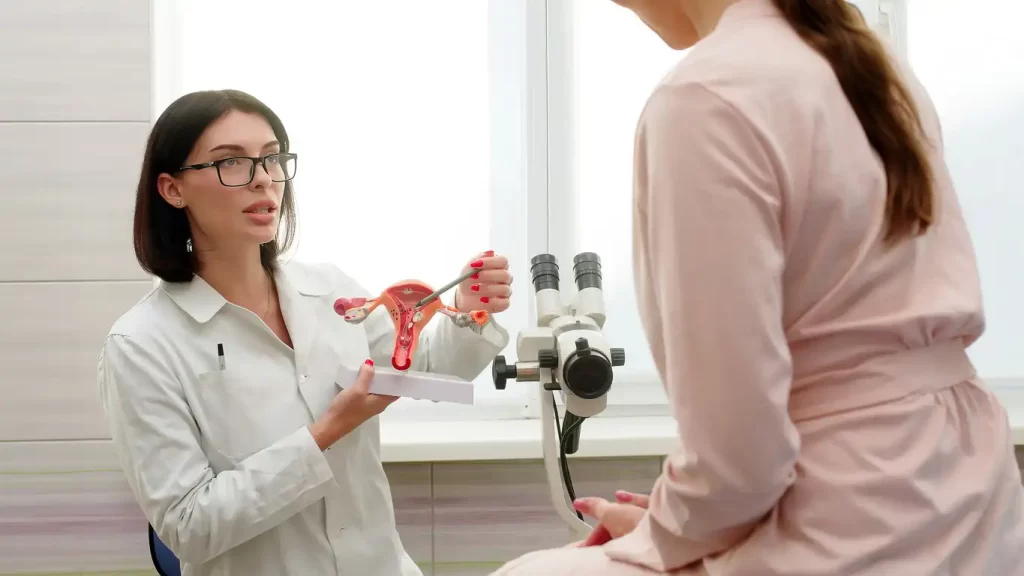
Navigating endometriosis treatment options can feel overwhelming, but you don’t have to face this journey alone. With the right combination of medical treatments, lifestyle modifications, and support systems, many women successfully manage their symptoms and lead fulfilling lives.
Remember that treatment is highly individualized, and what works for one person may not work for another. Be patient with the process, communicate openly with your healthcare team, and don’t hesitate to advocate for your needs. Your quality of life matters, and effective treatment options are available to help you achieve your health goals.
The key to successful endometriosis management lies in early diagnosis, comprehensive treatment planning, and ongoing support. Take the first step today by consulting with a healthcare provider who specializes in endometriosis care.
Contact Reeva Women’s Hospital
If you’re struggling with endometriosis symptoms or seeking expert care for your condition, the compassionate team at Reeva Women’s Hospital is here to support you. Our specialized gynecologists and healthcare professionals are dedicated to providing comprehensive, personalized treatment plans that address your unique needs.Schedule Your Consultation Today: Don’t let endometriosis control your life. Contact Reeva Women’s Hospital to discuss your endometriosis treatment options and take the first step toward relief and recovery. Our team is committed to helping you achieve optimal health and improved quality of life.